




Learning the basics of drone flying is essential for anyone who wants to enjoy smooth, safe, and confident flights. Whether you are flying for fun, aerial photography, content creation, or professional projects, understanding core flight principles will help you avoid accidents, protect your equipment, and achieve better results. Instead of rushing into the air without preparation, spending a few minutes learning the fundamentals can greatly improve your control and overall experience. Here are practical and essential basics to help you start flying your drone the right way:
Understand Drone Controls and Orientation
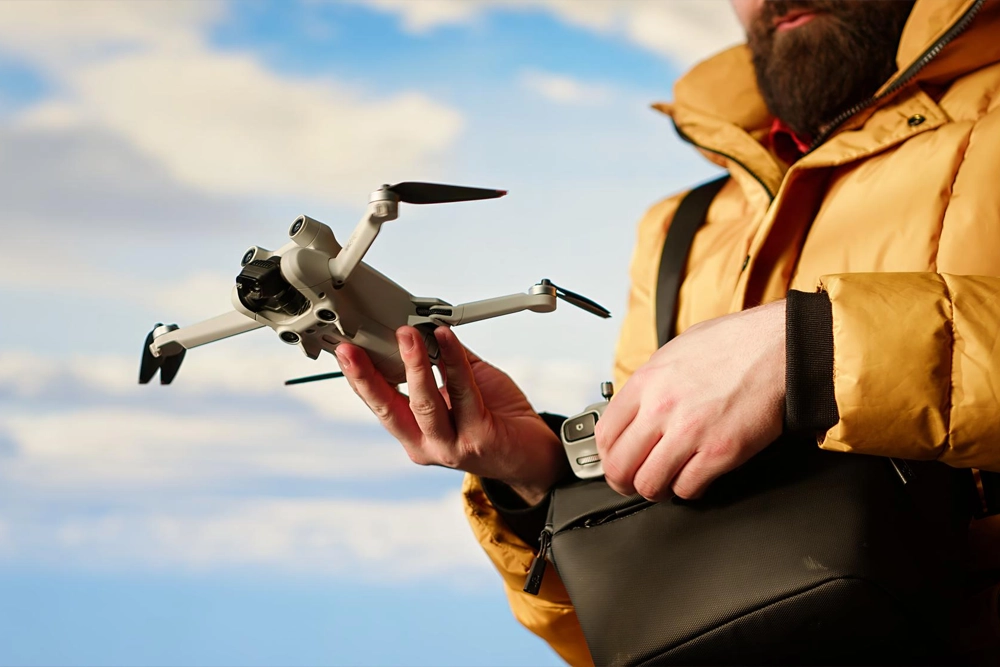
Before taking off, familiarize yourself with the controller layout and how each stick affects movement. Learn how to control throttle, yaw, pitch, and roll smoothly. Understanding orientation is also important, especially when the drone is facing toward you, as left and right controls can feel reversed at first.
Choose a Safe Flying Area
Always fly in open spaces away from people, buildings, trees, and power lines. A wide field or empty park provides enough room to practice basic maneuvers safely. Avoid crowded areas and restricted airspace to reduce risks and comply with regulations.
Check Weather and Battery Conditions
Weather plays a major role in flight stability. Avoid strong winds, rain, and low visibility conditions. Make sure your drone battery and controller are fully charged before flying, and monitor battery levels during flight to prevent sudden power loss or emergency landings.
Practice Basic Maneuvers
Start with simple movements such as hovering, slow forward flight, gentle turns, and controlled landings. Practicing these basics builds muscle memory and confidence. Gradually increase complexity as your skills improve.
Maintain Visual Line of Sight
Always keep your drone within visual range so you can react quickly to obstacles or unexpected movements. Relying only on the camera feed can cause delayed reactions. Maintaining clear visibility ensures safer and more controlled flights.
Mastering the basics of drone flying does not require advanced skills, only consistency and awareness. By understanding controls, choosing safe locations, monitoring conditions, and practicing regularly, you can build strong flying habits and enjoy smoother, safer, and more enjoyable flights. A solid foundation allows you to explore advanced techniques with confidence.